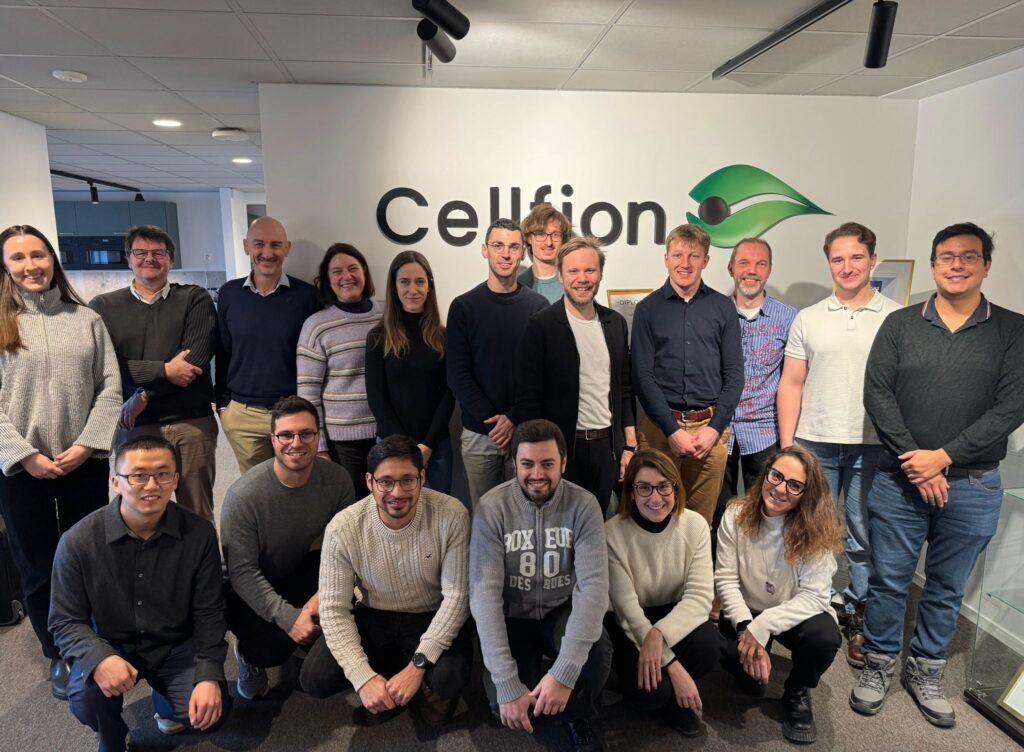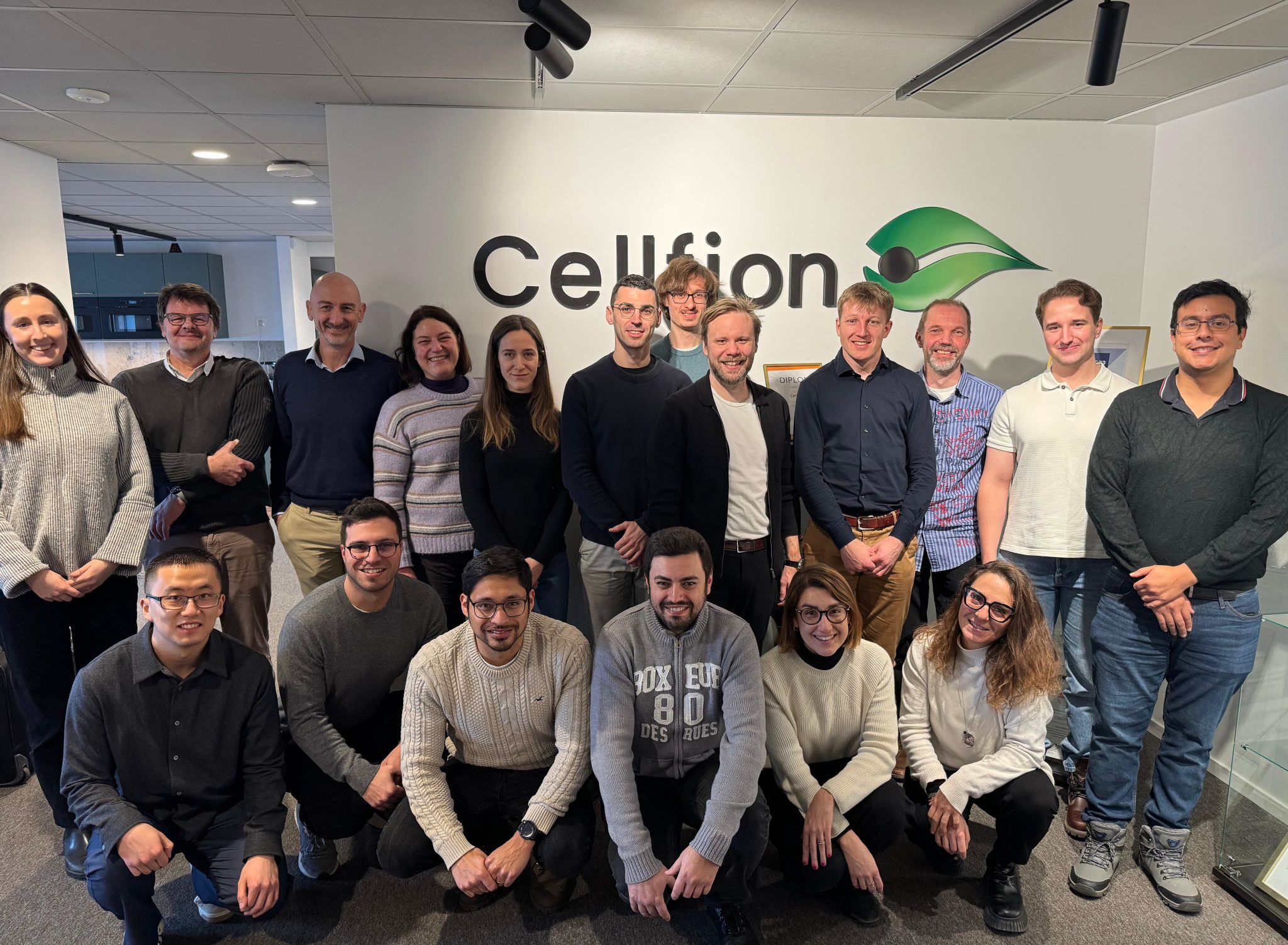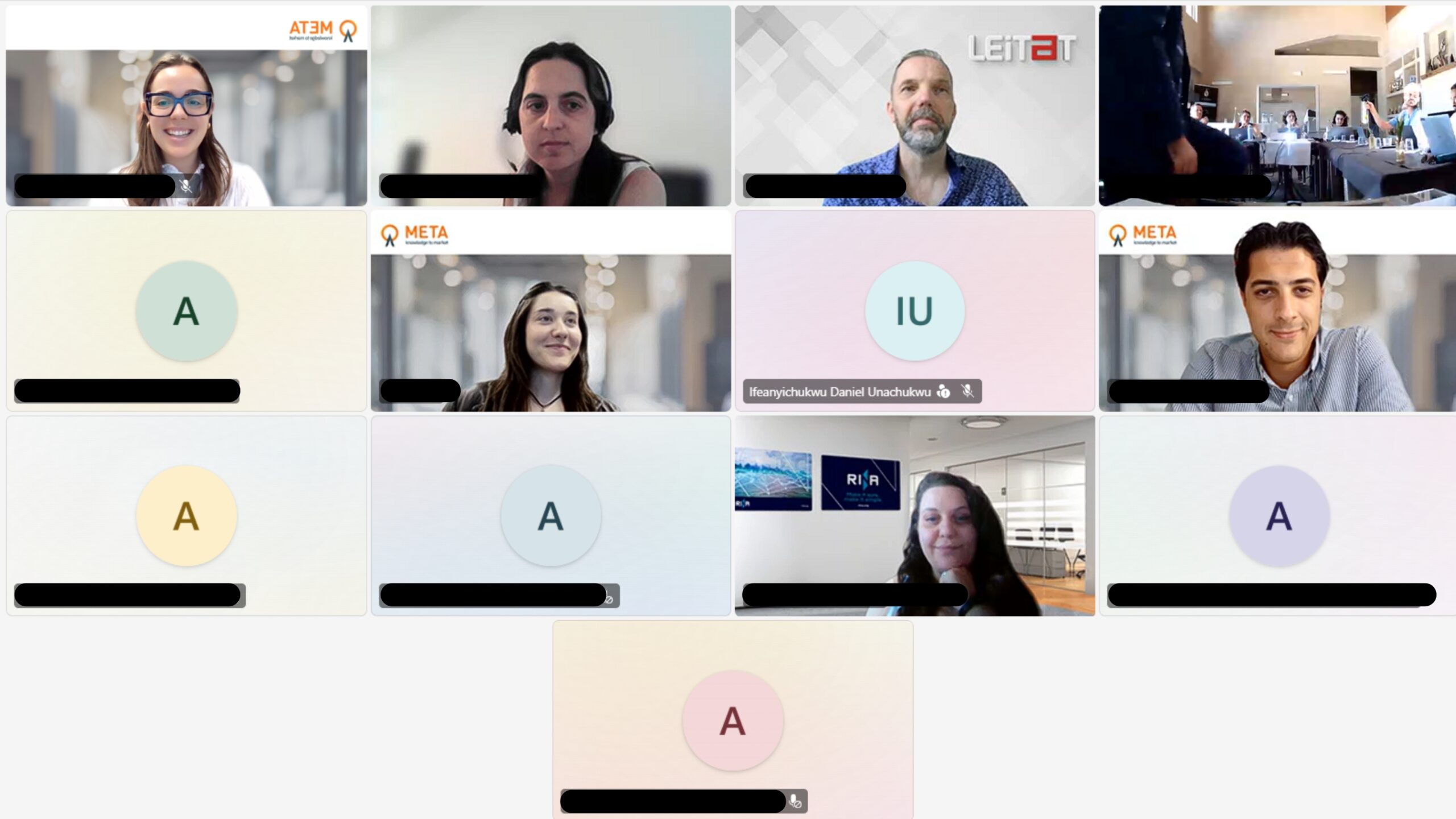
On 17 June 2026, the PROMISERS Project participated in a joint technical workshop in Castelvetro di Modena, Italy, bringing together key stakeholders from across the European hydrogen ecosystem. The event was organised in collaboration with the EU-funded project FASTCH2ANGE, fostering a valuable exchange between researchers, technology developers, and industrial partners.
The workshop focused on one of the most pressing challenges in hydrogen technologies today: how to develop high-performing, durable, and scalable solutions while moving away from PFAS-based materials.
Advancing PFAS-free innovation
A central theme of the discussions was the transition towards PFAS-free solutions. Per- and polyfluoroalkyl substances (PFAS) have long been used in industrial applications due to their exceptional chemical and thermal stability. However, their persistence in the environment and increasing regulatory pressure are driving the search for safer and more sustainable alternatives.During the workshop, PROMISERS and FASTCH2ANGE shared their latest progress through project presentations, technical highlights, and a joint roundtable discussion. The exchange focused on three key areas
Materials sustainability and PFAS substitution
Industrial scale-up and manufacturing readiness
Testing protocols, benchmarking methodologies, and durability assessment
Key takeaways from the workshop
Several important conclusions emerged from the discussions:
PFAS substitution is a shared priority
All participating projects emphasised the need to replace PFAS across the entire system. Beyond membranes and ionomers, PFAS can also be found in components such as gaskets, seals, coatings, and tubing, highlighting the need for a comprehensive approach.
Durability remains critical
For hydrogen technologies to be viable at industrial scale, PFAS-free alternatives must demonstrate long-term stability and maintain performance under demanding operating conditions.
Scaling up requires a system-level perspective
Industrial deployment goes beyond electrochemical performance. Factors such as material availability, manufacturability, reproducibility, component lifetime, and system integration are equally essential.
Harmonisation of testing protocols is needed
Comparing results across projects remains challenging due to variations in operating conditions, test setups, and reporting standards. Greater alignment in methodologies will be key to accelerating progress.
Sustainability must be integrated from the outset
Approaches such as Life Cycle Assessment (LCA), Techno-Economic Assessment (TEA), and Safe-and-Sustainable-by-Design (SSbD) are essential to ensure that PFAS-free solutions deliver real environmental and economic benefits.
Strengthening collaboration across Europe
Beyond the technical discussions, the workshop highlighted the importance of collaboration between complementary European initiatives. By sharing knowledge and aligning efforts, projects like PROMISERS and FASTCH2ANGE can accelerate the development of next-generation hydrogen technologies.
PROMISERS would like to thank all partners and participants for their contributions and for making this event a success.